
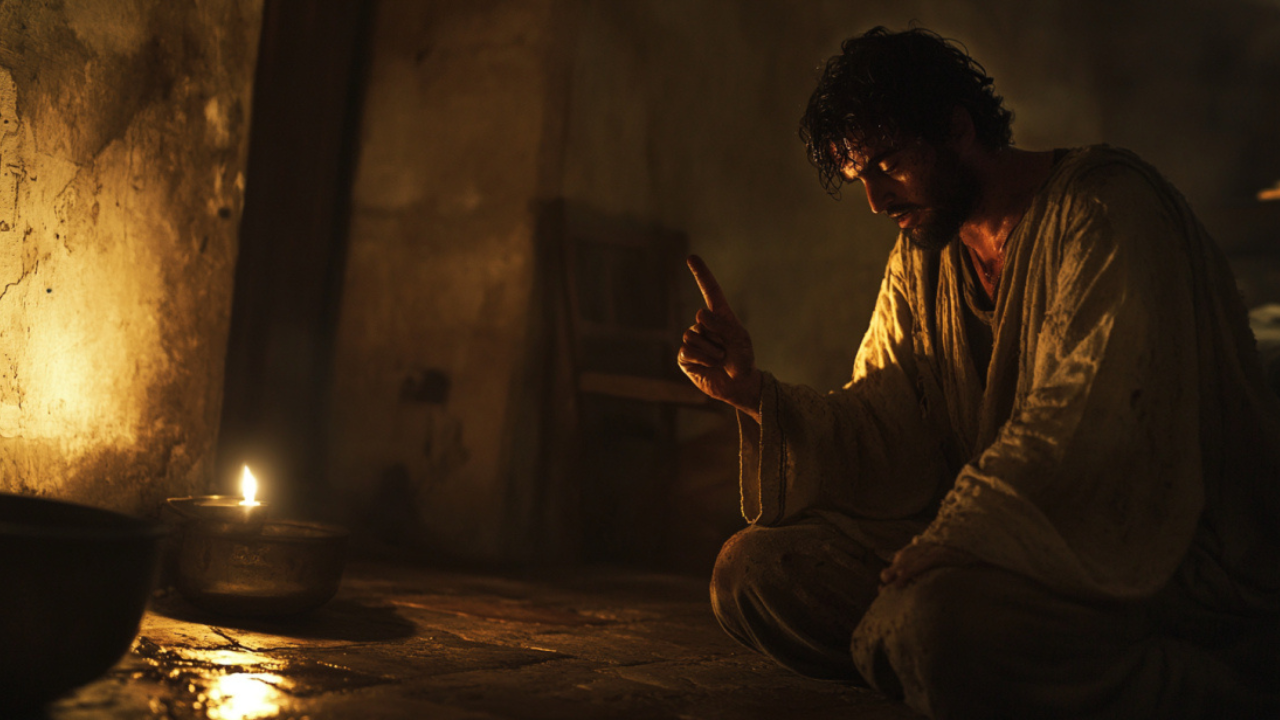
The Prayer That Shifts Everything
Not all prayer is created equal. Some prayers are effective, mobilizing action, bringing clarity, and catalyzing transformation. Others? They’re hollow, ineffective utterances that lack alignment with reality and responsibility. So, what’s the difference? What makes a prayer move mountains instead of simply echoing into the void?
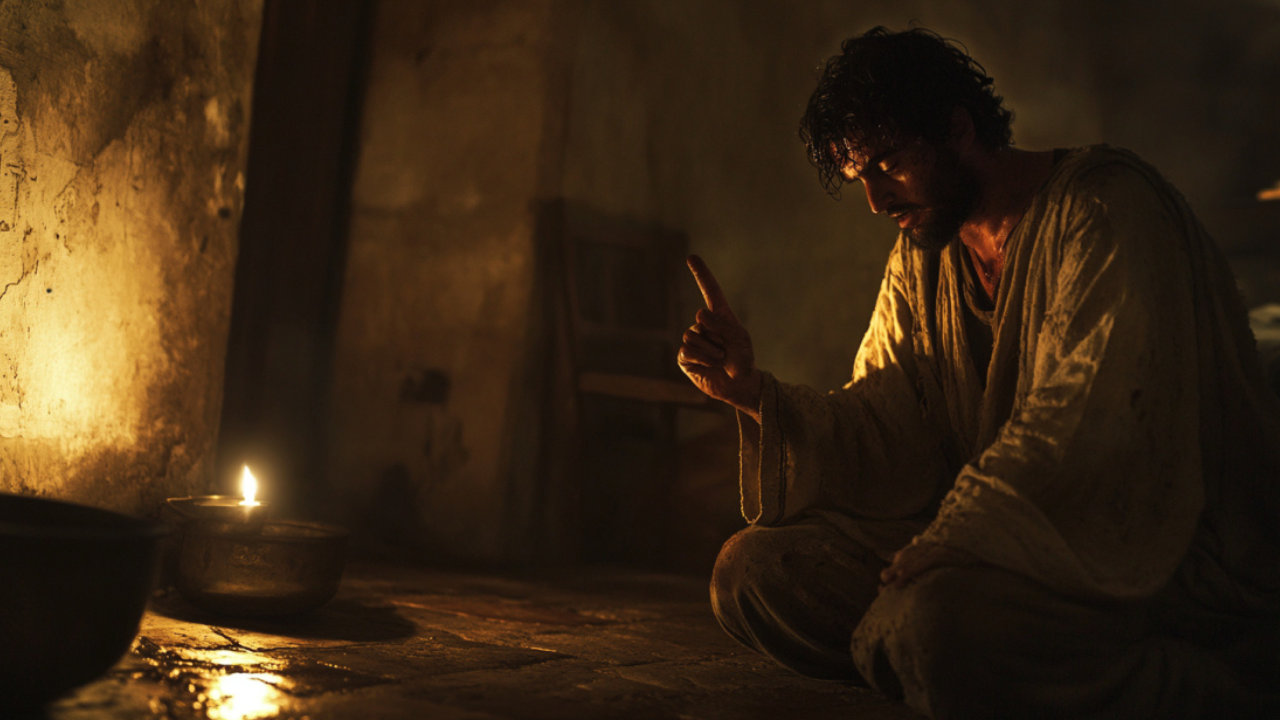
Life is full of struggles—those moments when the weight of the world feels unbearable. You feel paralyzed, trapped by circumstances too big for you to handle. Yet, in the chaos, there exists a tool—often neglected, misunderstood, or improperly wielded—that has the potential to shift everything: prayer.
Not all prayer is created equal. Some prayers are effective, mobilizing action, bringing clarity, and catalyzing transformation. Others? They’re hollow, ineffective utterances that lack alignment with reality and responsibility. So, what’s the difference? What makes a prayer move mountains instead of simply echoing into the void?
The story of Nehemiah offers us a roadmap to transformative prayer. Let’s break it down.
Prayer That Acknowledges vs. Prayer That Avoids
When Nehemiah began to pray, he didn’t start with his problem. He didn’t jump into a list of things he needed or a litany of complaints. Instead, he began by acknowledging God’s greatness.
"O Lord God of heaven, the great and awesome God who keeps covenant and steadfast love," he prayed.
This wasn’t just a formula. Nehemiah wasn’t checking a box to make sure his prayer sounded right. He was reorienting his focus. The greatness of God wasn’t just something he believed intellectually—it was the lens through which he viewed everything else. He saw the ruins of Jerusalem, yes, but he also saw the God who was more than capable of rebuilding them.
There’s a lesson here. When you pray, the first thing you need to do is lift your eyes. Shift your focus from the size of your problem to the size of your God. Why? Because your perspective shapes your prayers. If you see God as small, your prayers will be small. If you see God as distant or indifferent, you won’t ask for much. But if you have a revelation of a big God—a God who is mighty, compassionate, and faithful—then your prayers will reflect that.
This is the year where big asks will lead to big rewards. But here’s the catch: You will not have big prayers unless you have a revelation of a big God.
Think about it. When a child trusts their parent, they ask boldly. They don’t hesitate to ask for what they need because they believe their parent will come through. That’s the kind of faith Nehemiah had. That’s the kind of faith we need.
The opposite is prayer that avoids this acknowledgment. It’s a prayer that magnifies the problem instead of God. This kind of prayer leads nowhere. It’s powerless because it’s disconnected from the foundation of reality—God Himself.
"This is the year where big asks will lead to big rewards. But a small view of God leads to small prayers, and small prayers lead to small results."
Prayer That Repents vs. Prayer That Excuses
Nehemiah’s prayer didn’t stop at worship. It wasn’t just about acknowledging who God is—it was also about confronting who he was. With bold honesty, Nehemiah confessed the sins of his people, his family, and even himself. “We have acted very corruptly against you,” he prayed. “Even I and my father’s house have sinned.”
This moment of repentance is powerful. Nehemiah could have shifted blame. He could have pointed fingers at the generations before him who made mistakes, or at the leaders who failed to protect Jerusalem. But he didn’t. He owned the problem. He stood in the gap, taking responsibility for what was broken.
How often do we resist admitting our own faults? How often do we shift the blame or make excuses? Yet, the kind of prayer that shifts everything requires honesty. It requires humility. It requires repentance.
Prayer that excuses or blame-shifts is powerless. It’s an evasion of responsibility, a refusal to confront reality. And when you evade reality, you forfeit the opportunity for transformation. Repentance, by contrast, opens the door for growth because it aligns you with what is true and invites the possibility of change.
"God doesn’t bless excuses—He blesses honesty. When you own what’s broken, God redeems it."
Repentance isn’t about wallowing in guilt; it’s about realigning yourself with God’s holiness. It’s about removing the barriers that keep His power from flowing freely into your life.
Prayer That Boldly Asks vs. Prayer That Fears
Finally, Nehemiah’s prayer was bold. After worshiping God and confessing sin, he didn’t hesitate to ask for something specific: “Give success to your servant today, and grant him mercy in the sight of this man.”
This wasn’t a vague request. It wasn’t timid or hesitant. Nehemiah knew exactly what he needed—favor with the king—and he wasn’t afraid to ask for it. His boldness wasn’t arrogance; it was rooted in his faith. He knew who God was, and he trusted that God could and would intervene.
Too often, our prayers lack this kind of boldness. We hesitate to ask God for big things because we’re afraid of being disappointed. We hold back because we feel unworthy or unsure. But prayer that shifts everything dares to ask big things of a big God.
"A weak request reveals a weak belief. But a bold prayer reveals bold faith."
What are you asking God for right now? Are your prayers timid or bold? Specific or vague? Grounded in faith, or weighed down by fear?
What Kind of Prayer Shifts Everything?
Nehemiah’s prayer teaches us that the kind of prayer that mobilizes and shifts circumstances must:
Acknowledge God’s greatness. Lift your eyes and focus on His power and character.
Take responsibility for what’s broken. Confront sin and align yourself with truth.
Ask boldly, grounded in faith. Make specific, faith-filled requests that reflect trust in His promises.
This kind of prayer isn’t about passivity or wishful thinking. It’s about aligning yourself with the truth of who God is, the reality of your situation, and the bold faith required to act.
When Nehemiah prayed, he didn’t stop with “amen.” He stood up, went to the king, and took the first step toward rebuilding the walls of Jerusalem. His prayer mobilized action because it aligned him with the God who moves heaven and earth.
If you want to see things shift in your life, start with the right kind of prayer. Lift your eyes. Own what’s broken. Ask boldly. Then stand up and take the next step, trusting that God will guide you.
"This is the year where big asks will lead to big rewards. Don’t settle for small prayers. Pray the kind of prayer that shifts everything."

The Weeping God
Jesus is the most misunderstood figure in human history. And when you add his humanity to the equation, people get uncomfortable. The idea of God becoming flesh—not just to preach sermons and perform miracles, but to sweat, cry, and feel overwhelmed—is something many prefer to avoid.
The Avoided Conversation Regarding the Humanity of the Christ

Jesus is the most misunderstood figure in human history. And when you add his humanity to the equation, people get uncomfortable. The idea of God becoming flesh—not just to preach sermons and perform miracles, but to sweat, cry, and feel overwhelmed—is something many prefer to avoid. It’s messy. It’s vulnerable. And it makes us confront emotions we’d rather bury. But that’s precisely why it matters. If you’ve ever felt alone, crushed by sorrow, or betrayed, then the humanity of Jesus is not just relevant—it’s essential.
When we look at the account in Gethsemane we see that Jesus has just shared the Last Supper, and Judas has left to finalize his betrayal. Now, Jesus takes his closest friends to a garden—a place meant for rest and reflection. But tonight, it becomes the setting for an emotional storm.
"My soul is overwhelmed with sorrow to the point of death. Stay here and keep watch with me."
Pause.
Let those words sink in.
The Son of God, the one who walked on water and fed thousands with a boy’s lunch, admits he is overwhelmed. Not just sad. Not just stressed. Overwhelmed to the point of death. This is vulnerability on a level we rarely see, and it’s coming from the one we often expect to be invincible.
And what do his disciples do? They fall asleep. Not once. Not twice. Three times. Jesus—at his most vulnerable—is left to face the weight of the world alone.
This moment is heartbreakingly human. Jesus doesn’t suppress his emotions. He doesn’t pretend to be fine. He acknowledges his sorrow, and he invites his friends to share the burden. But even when they fail him, he doesn’t turn to anger or resentment. He turns to the Father.
Why This Offends Us
The humanity of Jesus offends our sensibilities. For the Jews of his time, the idea of God becoming human was blasphemous. God is holy, transcendent, and untouchable—not someone who bleeds and weeps. For the Greeks, it was absurd. Their gods might mingle with humans, but they never lowered themselves to human frailty. And for us? We’re uncomfortable with a Jesus who feels too much like us. We want him to be strong, stoic, and always in control—the hero who saves the day without breaking a sweat.
But this, is the paradox. Jesus’ humanity doesn’t diminish his divinity. It magnifies it! The infinite stepping into the finite is not a sign of weakness but of immeasurable love. It’s a God who refuses to stay distant, choosing instead to walk with us, feel with us, and ultimately suffer for us.
Jesus’ humanity also forces us to confront our own fragility. If he, the Son of God, experienced sorrow and needed connection, how much more do we? And yet, we often isolate ourselves, avoiding vulnerability at all costs. To admit weakness feels like failure. But Jesus teaches us that admitting our frailty is where true strength begins.
What Jesus does here is remarkable. He acknowledges His feelings honestly and vulnerably, inviting His closest friends into that space. But most importantly, He takes it all to His Father. He submits His emotions and His life to God, not demanding a change in the situation, but surrendering to the Father’s will. He demonstrates that if this is what the Father desires, then it is what He desires too.
Jesus didn’t just cheer up
Most of us have been conditioned to see emotions as a liability. If you’re sad, you’re told to cheer up. If you’re angry, you’re told to calm down. If you’re overwhelmed, you’re told to pull yourself together. But Jesus challenges this mindset. He doesn’t deny His feelings—He acknowledges them. He doesn’t hide His sorrow—He expresses it. And in doing so, He shows us that emotions are not something to fear or suppress—they are part of what it means to be fully human.
When Jesus says, “My soul is overwhelmed to the point of death,” He validates every moment you’ve ever felt crushed by life. He shows us that sorrow and strength can coexist. That it’s okay to feel deeply, as long as we bring those feelings to the One who can carry them.
This is a lesson many of us resist. We live in a culture that values productivity over presence. We’re told to “push through” rather than pause and process. But Jesus pauses. He prays. He doesn’t rush past His grief; He sits with it. And in that sitting, in that acknowledging, He shows us that vulnerability is not weakness—it’s an act of strength.
The humanity of Jesus is not a footnote in his story; it’s the heartbeat of the Gospel. Through his emotions—his sorrow, his anger, his vulnerability—we see a God who doesn’t just sympathize with our struggles but fully understands them. Jesus lived, suffered, and overcame so that we might find hope in our darkest moments. He shows us that it’s okay to feel deeply, to acknowledge pain, and to invite others into our journey. Most importantly, he reminds us to bring everything to the Father.
Whether you’re wrestling with grief, anger, or a storm you can’t yet name, remember this: You are not alone. Just as Jesus endured for the joy set before him, we too can stand firm, knowing that redemption is on the horizon. You may feel overwhelmed, but you are not overcome. Keep standing, keep trusting, and let the humanity and divinity of Christ carry you through.
Watch This Message
About the Author
Darren Stott is a pastor, speaker, and author known for his passion for seeing lives transformed by the presence of God. As the Lead Pastor of Eden Church, Darren has dedicated his life to creating spaces where people can encounter God’s love and power. He is also the founder of the brand-new 10:10 Group, Supernatural School, and Portals University, initiatives designed to equip individuals to walk in their full identity and purpose.
Stay connected with Darren by visiting www.darrenstott.com. Join the mailing list to stay updated on new resources, events, and teachings, including updates on the 10:10 Group, Supernatural School, and Portals University. Your journey into deeper faith and supernatural living starts here.
#JUSTSAYIN
I’ve been seeing some people on Facebook saying that abiding by state law and doing online church is a lack of faith.
I’m going to try to articulate what many pastors may have difficulty articulating with an example.....
If you are single and you want to risk your life and travel into a region where there are travel advisories because of anti-Christian sentiment, etc., and you feel like God has called you, then hey, be obedient, and risk it. You may even be a modern-day martyr (which is actually totally cool). I can respect that.
😎👍👍
But, if you have a family, and you ignore the travel advisories, and you drag your family into a war zone because you think it’s “faith” and your whole family dies, I don’t think that’s cool. I think that’s stupid and selfish.
😡👎👎
Pastors will give an account to the Lord for how they cared for Jesus’s flock. Jesus said to Peter, “Do you love me? Then take care of my sheep. Especially the old sheep.”
🐑🐑🐑
It’s not a question of faith. It’s a question of authority, commitment, and responsibility, and no offense but if you don’t understand these principles then you don’t understand true faith.
If you aren’t a senior citizen, then don’t pretend like you understand what it’s like to have a virus preying on the elderly.
If you aren’t healing the sick already, don’t pretend that you are John G. Lake.
If you aren’t pastoring a church, don’t pretend that you understand the responsibility.
It’s easy to talk big on Facebook, but sometimes we need to remember the golden rule and put ourselves in other peoples shoes before attacking them.